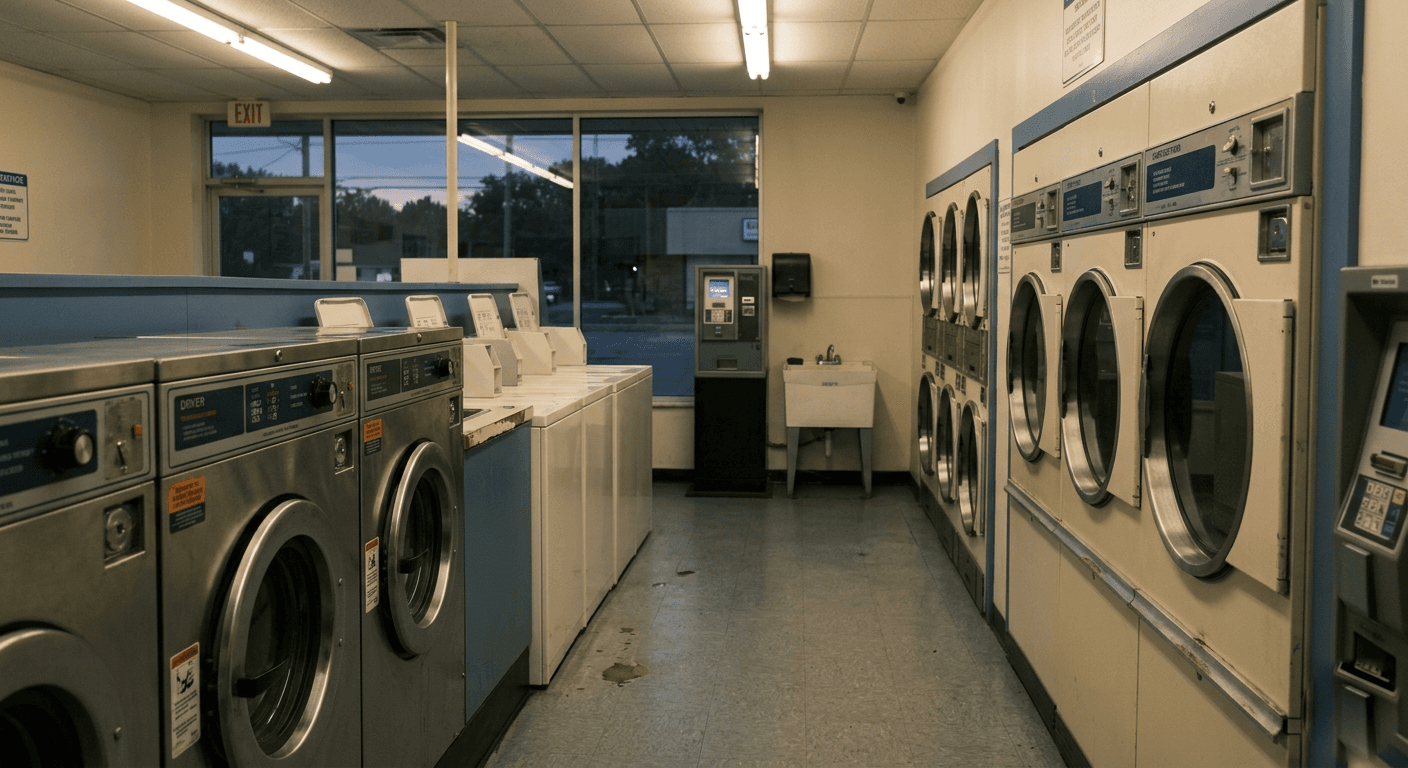
Arcade Claw● Active
45%
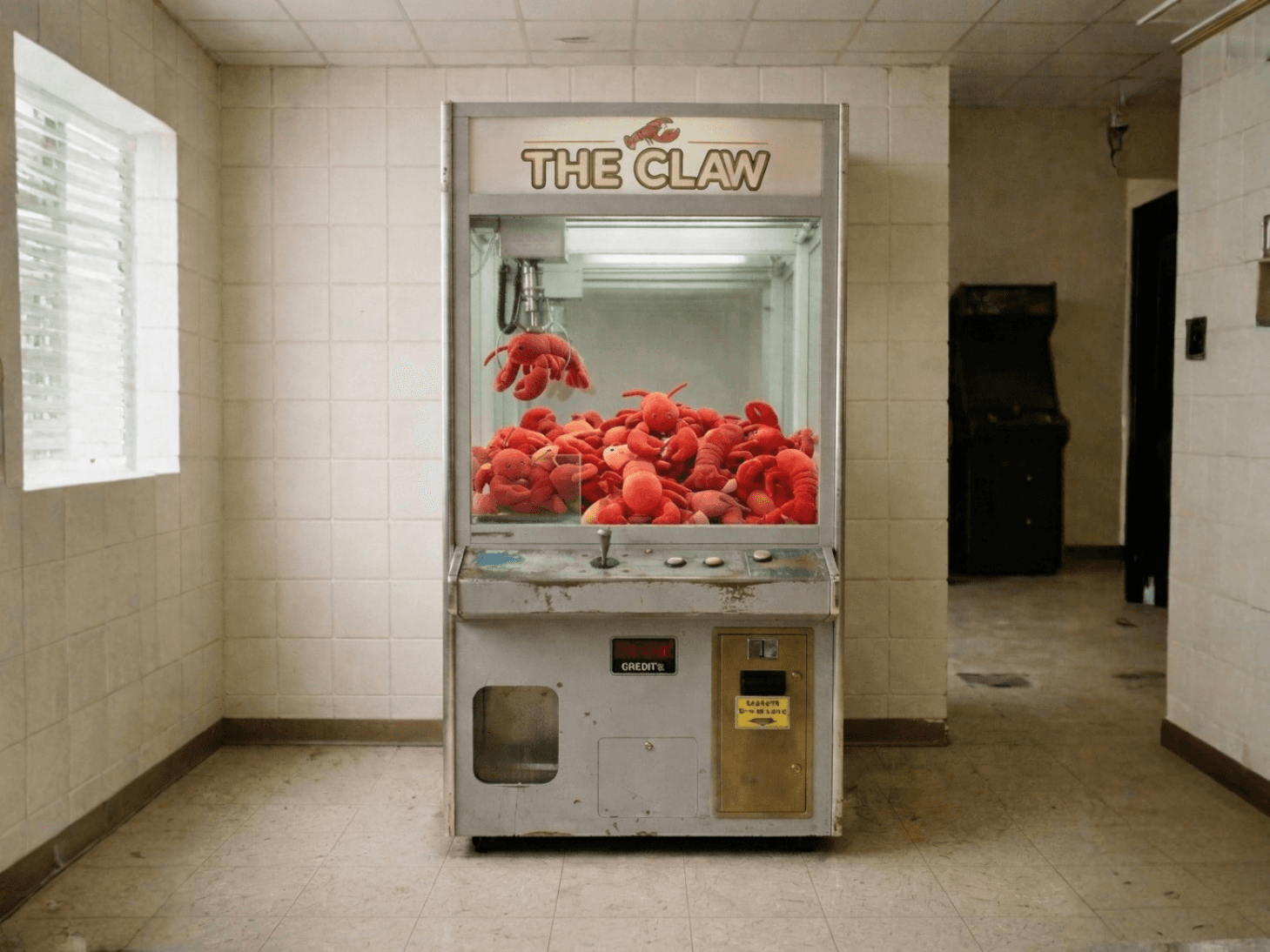
Arcade Claw
ASSET-0031 · Shenzhen, CNTarget Net Yield
13 – 17%
Arcade MachineMulti-chain5yr Survival Rate ~95%
API 84 / 100
A coin goes in every time someone plays. The machine earns whether the market is up or down.

Equipment finance is a $1.34T market. Almost none of it reaches you.
A historical record of machine-backed distributions across DualMint's operating programmes.
On-time distributions
Machine-backed positions
Capital deployed
Operator defaults
The Boring Marketplace
May 2025 — Present
Statement period
May 2025 - Present
Opening balance
$5,000.00
Total distributed
+$735.04
Closing balance
$5,735.04
Active since
May 2025
| DATE | DESCRIPTION | YIELD | AMOUNT | DEFAULTS | STATUS |
|---|---|---|---|---|---|
| May 5, 2025 | Distribution · Verified Ecowash · USDC | 0.95% | +$47.32 | 0 | Completed |
| Jun 5, 2025 | Distribution · Verified Ecowash · USDC | 0.98% | +$49.18 | 0 | Completed |
| Jul 7, 2025 | Distribution · Verified Ecowash · USDC | 1.01% | +$50.62 | 0 | Completed |
| Aug 5, 2025 | Distribution · Verified Ecowash + AirUp · USDC | 1.04% | +$51.85 | 0 | Completed |
| Sep 5, 2025 | Distribution · Verified Ecowash + AirUp · USDC | 1.07% | +$53.74 | 0 | Completed |
| Oct 6, 2025 | Distribution · Verified Ecowash + AirUp · USDC | 1.10% | +$54.91 | 0 | Completed |
| Nov 5, 2025 | Distribution · Verified Ecowash + AirUp · USDC | 1.13% | +$56.43 | 0 | Completed |
| Dec 5, 2025 | Distribution · Verified Ecowash + AirUp · USDC | 1.16% | +$58.27 | 0 | Completed |
| Jan 5, 2026 | Distribution · Verified Ecowash + AirUp · USDC | 1.19% | +$59.16 | 0 | Completed |
| Feb 5, 2026 | Distribution · Verified Ecowash + AirUp + The Claw · USDC | 1.22% | +$61.34 | 0 | Completed |
| Mar 5, 2026 | Distribution · Verified Ecowash + AirUp + The Claw · USDC | 1.25% | +$62.55 | 0 | Completed |
| Apr 6, 2026 | Distribution · Verified Ecowash + AirUp + The Claw · USDC | 1.28% | +$63.89 | 0 | Completed |
| May 5, 2026 | Distribution · Verified Ecowash + AirUp + The Claw · USDC | 1.31% | +$65.78 | 0 | Completed |
● Since May 2025 · All distributions paid on time
← Scroll to see all columns
A laundromat earns on wash cycles, an HVAC unit on building contracts, an arcade machine on every play, and none of them move together. Everyday machines proved the underwriting.
45%
Target Net Yield
13 – 17%
A coin goes in every time someone plays. The machine earns whether the market is up or down.

33%
Target Net Yield
14 – 18%
Commercial buildings can't function without climate control. Revenue comes from documented energy savings.

22%
Target Net Yield
12 – 16%
A vending machine in a high-traffic corridor earns on every transaction. Location is the underwriting, not the operator.
Not 'will the borrower repay?' but 'will the machine run?'
DualMint buys the machine and holds title. Not a loan, an asset.
The operator runs the machine day to day and keeps an agreed share of what it earns.
IoT sensors log cycle counts and uptime. Revenue only counts if the machine actually ran.
Title stays with DualMint. A new operator takes over and the machine keeps earning.
Distribution data, asset research, and yield numbers we stand behind.
Clear answers on how the model works, what backs the yield, and what we don't promise.
The yield comes from the operating margin of physical businesses. A laundromat that generates $50,000 in annual revenue on $100,000 of deployed equipment yields 50% gross. After DualMint's fees, the liquidity buffer, and diversification across asset types, 10–15% net is the conservative estimate. It doesn't fall when rates fall because it has nothing to do with rates.
In 13 months, zero operators have defaulted. If one does, the asset moves to a pre-vetted backup and the machine keeps running. Six layers sit between an operator failure and vault capital. Four are in force today; all six are live by vault launch. The first is the operator's own money, posted at onboarding before anything goes wrong.
IoT telemetry is cross-referenced against operator revenue reports and independently reviewed each quarter. Every distribution is verifiable onchain. The vault isn't live yet — smart contract audits go out before it is. That's the honest answer.
$500. The vault is built for fractional access — you don't need an institutional ticket size and you don't need a savings-account-size allocation. The Machine Yield Index isn't live yet; this is the minimum at launch.
The legal structure is a BVI SPV, bankruptcy-remote. DualMint's corporate fate doesn't determine what happens to the assets. The machines exist independently. Operators run them. Revenue continues without DualMint. The infrastructure routes cash flow onchain — the machines generate it.
Redemptions settle within 30 days. The vault keeps 20–70% of TVL liquid in early stages to handle normal withdrawals without selling assets. The 30-day window isn't a platform limitation. It's just how long it takes to move capital out of something physical.
Operating machines generate cash flow every day. IoT captures each transaction and cross-references it against bank deposits. What's left after fees distributes to depositors in USDC each month.
DeFi yield comes from token emissions, lending spreads, or protocol fees, and all of it moves with the market. DualMint yield comes from machines running physical cycles. The deeper difference is failure mode: DeFi collateral reprices on sentiment with no warning, while operational collateral fails through utilisation, which IoT telemetry shows months before it hits cash flow. A default is a write-down. A shortfall is a repair.
A rate cut does not reduce laundry cycles. People do the same laundry in a recession as they do in a bull market. HVAC contracts run on building operations, not consumer sentiment. The machines don't have a view on monetary policy. That's why the yield doesn't compress when treasury rates fall and doesn't fall when crypto sells off.
Most of what AI displaces is digital: SaaS margins, content production, anything that only ever existed as information. DualMint's yield was never digital. It comes from machines running physical cycles, and robotics is the newest category doing exactly that. Financing hasn't caught up to how fast those machines are being built. That's the gap DualMint fills, laundromat or robot.